

For most of our developing years, we’re taught to avoid the things we’re afraid of.
And this instruction makes sense. It makes sense to avoid the sources of our fear, because they might in fact, kill us. They might in fact, be dangerous.
Touching the fire CAN burn.
Jumping off the cliff CAN break our backs.
Grabbing the wrong side of a sword CAN open your skin to infection.
Sex CAN lead to pregnancy.
Climbing a tree CAN lead to falling.
And so this tendency to avoid the extremes of our fear is a protective reaction.
This protective reaction is ancient, hard-wired by survival that predates our ability to experience modern-day safety.
Our pre-language, pre-historic, pre-human ancestors conducted a series of trial-and-error experiments for us. They didn’t know they were conducting these survival experiments, but they were. Random ranges of variability eventually narrowed down to the more-or-less “human experience” we know today. But once upon a time, there were pre-humans born with not-so-normal variations that weren’t as survivable.
The ones who survived are our ancestors, and we bear the imprint of their survivability advantage. Our ancestors are those who were born with a more sensitive adrenaline trigger, a more intense cortisol spike, more inhibitors — all of which kept them from taking risks, kept them from stepping across the line of fear. Those ancestors avoided fatal danger and eventually out-survived the ones who didn’t experience a physiological response to threat. Those ancestors were hypervigilent and noticed the colors of the snakes. They analyzed which ones caused death and which ones didn’t, and they catalogued the difference - these, our ancestors, were more likely to survive and more likely to keep their children alive and so because of that, we adapted, as a species, to have this protective defense mechanism against things that can kill us.
And we call that fear.
The problem is, the avoidance of things we’re afraid of is like armor.
Armor can keep you safe from the impact of a blade, but armor doesn’t have wisdom or discernment. Armor doesn’t know when or even how to take itself off.
The armor can’t tell you when it’s time to let it drop.
It takes another part of us to have that understanding and that discernment.
We can’t rely on our hyper vigilant parts to tell us we’re safe.
Armor doesn’t know what safety is or when safety is.
All hyper vigilance knows is how to tell you what to watch out for and how to avoid it. And it will always be scanning, because potential threats might always be there.
The armor needs other eyes. And it needs other ears.
And it needs a sense of smell and touch and a nervous system to interpret the complexity of these signals and orient you in time and space, in order to tell you “Everything is safe, and you can let the armor drop.”
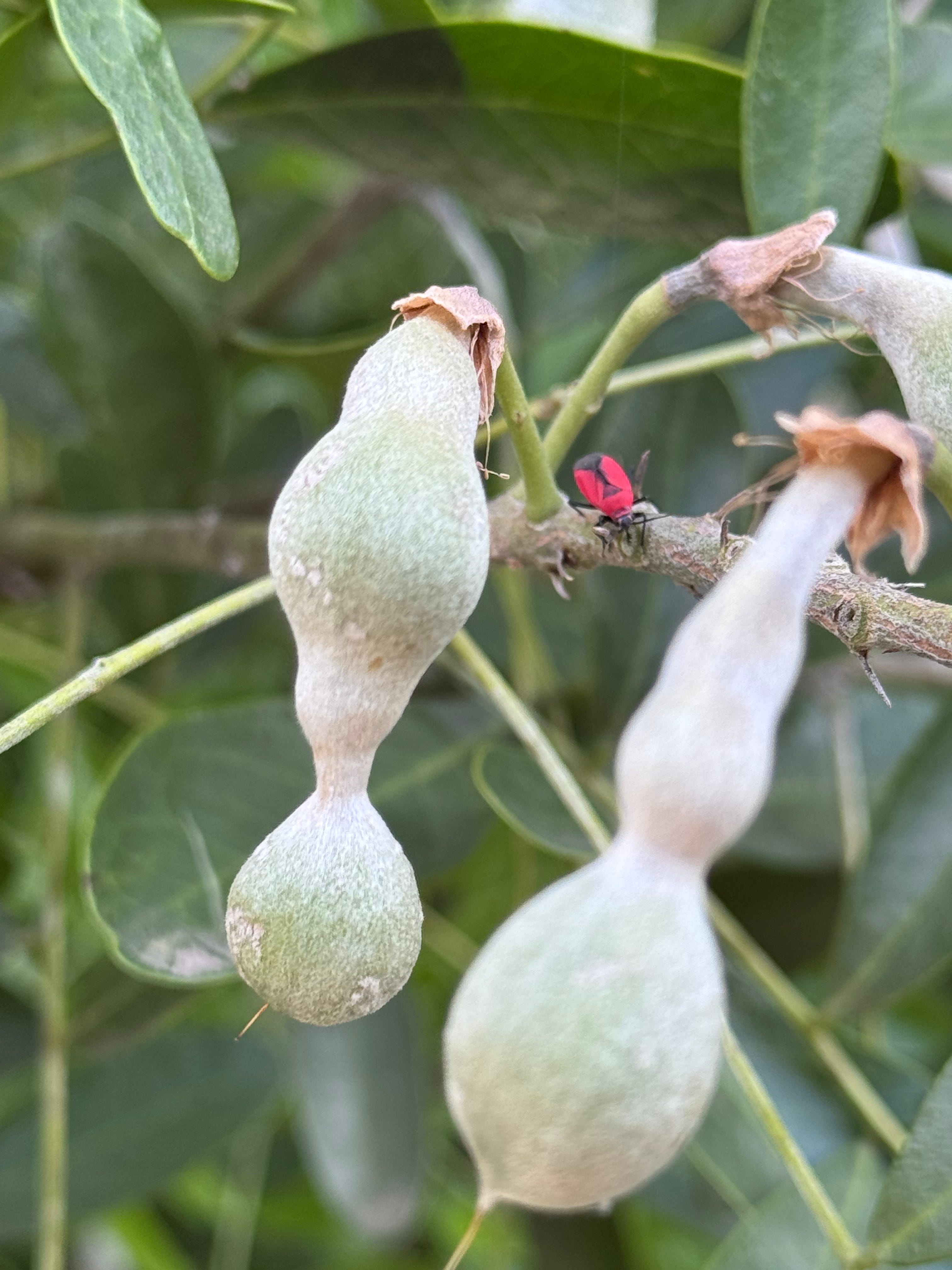
I sat in the backyard on Monday morning, in the sun, with my bare skin up against the grass, closed my eyes,
and immediately felt uncomfortable.
Every little flutter, my body jumped in surprise and fear. Something was crawling on me, something was going to bite me. Was that a spider, was that a snake, was that a mosquito, am I gonna be itchy, am I gonna get welts, am I gonna have an allergic reaction. It wasn’t thoughts floating through my head as much as the discomfort that comes from lying in prickly grass, and as I slowed my thoughts and slowed my heartbeat, I tried to just let myself notice each sensation without judgment, as it came:
“Oh, something IS tickling my side.
Oh, something’s on my back. Something’s on my shoulder, something’s on my ankle, my toe, my earlobe, my neck.”
And I tried, instead of clenching up in fear or reacting and brushing it off, to just breathe and be and
receive the sensation as it was
without trying to figure out WHAT it was
or how I was going to respond.
And I tried not to dissociate, not to leave my body or leave the moment, or daydream or imagine something else or distract, but to be aware and to notice and to be present with the discomfort, the uncomfortable sensations, AND the fear AND the adrenaline, and the urge to get up and brush myself off and go rinse off and no…
just sit and lie in the itchiness of this moment.
And as I did that, I noticed something: that my body began to soften.
And whatever cloudiness had been around my eyelids began to dissipate and I could see clearly.
More importantly, I began to notice that there was a knot in my stomach I’d been holding all day long. It had been there before the grass, but I’d just now become aware of it.
So I turned my attention toward the knot, using the muscle I’d learned with the grass:
Feeling what was, without needing to know WHAT it was
or how to fix it
or how to change it
or how to avoid it.
Telling myself that I was safe, even if something did cause pain, I had the tools to heal.
Letting that knot in my stomach crawl over me like I’d let the beetle crawl around the circumference of my arm.
And I realized it was the knot in my stomach that I was really trying to avoid. Not the grass, not the beetle, not the ant. It was the knot in my stomach I was trying to get away from feeling. But no amount of avoidance, no amount of turning away from, no amount of running away from or distracting myself from or ignoring was going to dissolve that knot, was going to keep me away from that knot. It was still going to be there, until
I turned towards it. And,
let myself feel it
without trying to change it.
This is the gift of love, not that it tries to change us or fix us
but that it accepts what is,
and in acceptance, releases
and transforms pain into resilience.
Death becomes life.
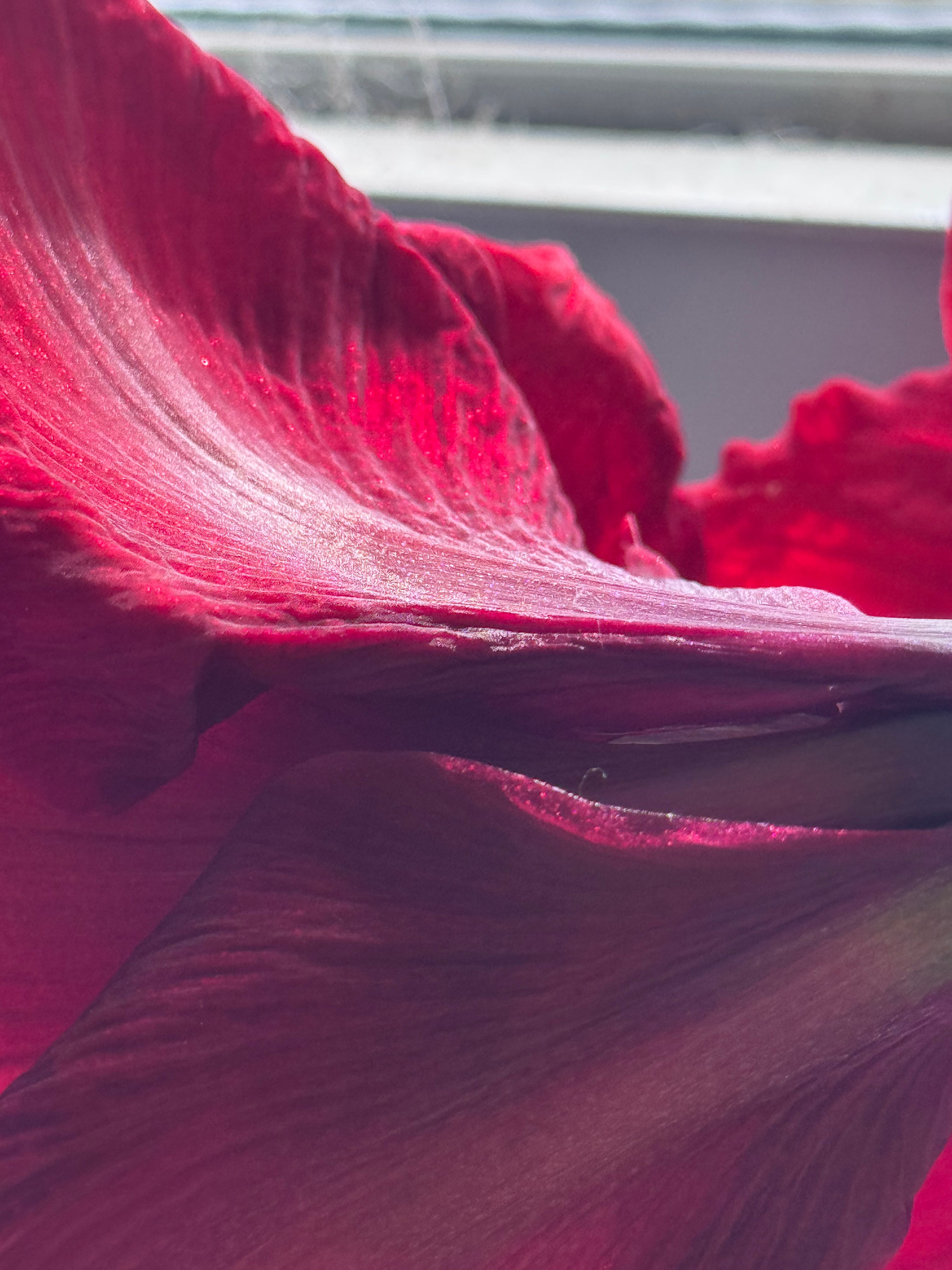
It is a lack of flow that produces dis-ease and suffering…
not the pain that flows through us,
but the damming up of pain
that causes suffering.
When we let what is move,
even pain becomes a transformative agent of change.